


What Gauge Stainless Steel Sink Is Best?
Views: 0 Author: Site Editor Publish Time: 2026-04-27 Origin: Site


Buying a new Kitchen Sink is a decade-long commitment. You interact with it daily. However, many homeowners overlook its underlying metal construction. Choosing the wrong metal thickness often leads to severe acoustic frustration. You might experience the annoying "drum effect" or notice structural flexing. Premature wear also becomes a major issue. This is especially true when you pair thin metal with modern heavy-duty garbage disposals.
Lower gauge numbers indicate thicker metal. Specifying the absolute "best" gauge requires careful evaluation. You must weigh your household's daily workflow against physical performance realities. Installation methods and overall budget play crucial roles as well.
Our goal is to strip away confusing marketing jargon. We want to provide you with a skeptical, evidence-based framework. By the end of this guide, you will know how to select the right stainless steel sink for your specific needs.
Key Takeaways
The Sweet Spot: 16-gauge (approx. 1.59mm) is optimal for heavy residential use and maximum sound dampening; 18-gauge (approx. 1.2mm) is the industry standard offering the best balance of cost and durability.
Acoustics Matter as Much as Thickness: A 16-gauge sink without proper undercoating will still be louder than an 18-gauge sink treated with premium Mass Loaded Vinyl (MLV) and sound pads.
The "Flexing" Myth: Bottom flexing is often caused by improper under-mount installation (lack of adequate strapping), not just thin steel.
Metal Grade vs. Thickness: Gauge dictates physical impact resistance; steel grade (e.g., 300 series / 18/8) dictates rust and corrosion resistance. Both must be evaluated together.
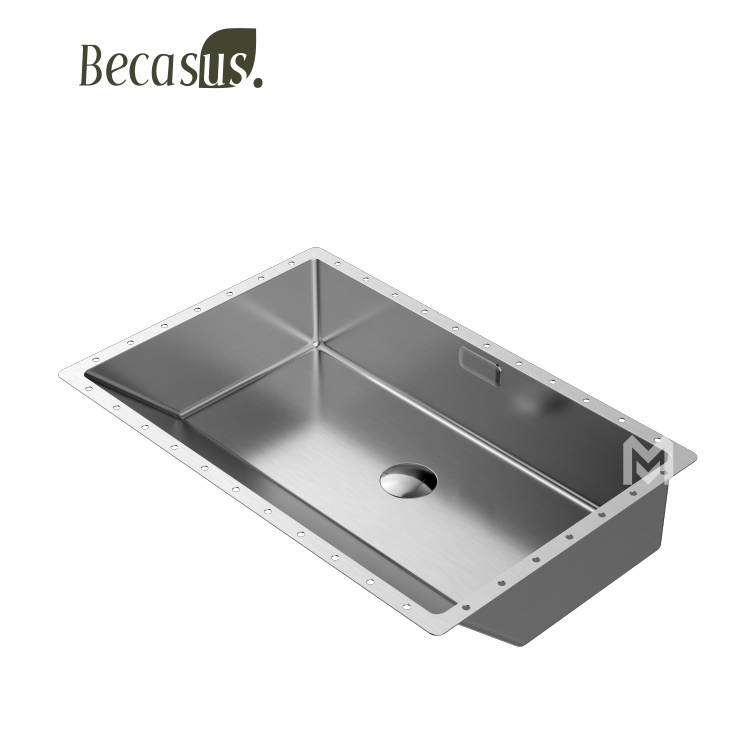
Understanding Solution Categories: The Stainless Steel Gauge Spectrum
Sheet metal thickness uses an inverse measurement system. A lower gauge number means a thicker sheet of metal. This concept often confuses first-time buyers. A 16-gauge basin uses significantly more steel than a 20-gauge model. This extra mass dictates how the fixture behaves in a busy kitchen.
16-Gauge (Heavy-Duty/Premium)
This category represents the premium tier for residential kitchens. The metal measures approximately 0.063 inches or 1.59mm thick. Thicker steel delivers superior dent resistance against dropped pots. It also offers much higher joint strength. This structural integrity reduces the risk of seam cracking under heavy pressure. Thick steel is inherently less resonant. It effectively eliminates the cheap, "tinny" sound often associated with metal basins.
We recommend 16-gauge options for high-traffic kitchens. They excel in homes where cooks frequently use heavy cast-iron cookware. They also provide vital support for large, single-bowl configurations.
18-Gauge (The Industry Standard)
Most reputable manufacturers position 18-gauge as their standard offering. The steel measures about 0.047 inches or 1.2mm thick. This thickness provides an excellent cost-to-performance ratio. You will find the widest variety of styles and sizes in this category.
There are minor trade-offs to consider. Severe impacts from heavy skillets might cause slight denting. You also need to verify the soundproofing. An 18-gauge model requires higher-quality aftermarket soundproofing to match 16-gauge acoustic levels.
20 to 22-Gauge (Builder Grade/Utility)
Hardware stores often stock these extremely lightweight basins. They are highly budget-friendly. They appeal to DIY renovators because they are easy to lift. You can install them without adding heavy reinforced cabinetry.
However, the risks are substantial. These thin basins dent easily. They suffer from severe vibration when you install a heavy garbage disposal. Users frequently report noticeable "drumming" noises simply from running tap water.
Sink Gauge Specification Chart
Use this simple comparison chart to understand the physical differences.
Gauge Number | Approx. Thickness (mm) | Durability Level | Primary Use Case |
|---|---|---|---|
16-Gauge | 1.59mm | Premium / Heavy-Duty | Busy kitchens, cast iron usage, large single bowls. |
18-Gauge | 1.20mm | Standard / Moderate | Average daily use, budget-conscious remodels. |
20-22 Gauge | 0.80mm - 0.95mm | Utility / Builder Grade | Laundry rooms, light-use utility areas, low-budget DIY. |
Evaluation Dimensions: Features to Kitchen Outcomes
Thickness alone does not guarantee a perfect experience. We must map physical features to actual kitchen outcomes. Your daily workflow will expose any weaknesses in your chosen metal.
Acoustics and The "Drum Effect"
Metal naturally amplifies sound. Water flow and the "thunk" of dropped cutlery create loud reverberations. We call this the "drum effect." Thicker steel deadens this noise naturally. However, gauge alone isn't enough to solve kitchen acoustics.
You must evaluate the exterior coatings. The best basins feature thick rubber dampening pads glued to the exterior. Manufacturers often cover these pads with spray foam insulation. Top-tier brands apply premium Mass Loaded Vinyl (MLV) coatings. These layers trap vibrations before they reach your ears. An 18-gauge basin with heavy MLV will out-perform a bare 16-gauge basin.
Impact Resistance vs. Everyday Wear
Many consumers confuse scratching with denting. You need to differentiate the two. Surface scratching happens to all gauges. Stainless steel naturally develops a patina of micro-scratches over time.
Structural denting is an entirely different problem. Dropping a heavy pot can cause the bottom surface to bow. This is where a 16-gauge stainless steel sink holds a definitive advantage. The thicker material absorbs blunt force impacts without warping.
Garbage Disposal Compatibility
Modern high-horsepower disposals generate intense torque. These machines create constant micro-vibrations during operation. Thin metal cannot handle this stress. A 20-gauge basin amplifies disposal vibrations into visible water shaking. It also generates excessive noise.
Over time, these vibrations can warp the drain flange. This leads to hidden under-cabinet leaks. Thicker 16-gauge and 18-gauge materials effectively absorb this kinetic energy. They keep the disposal mount rigid and secure.
Ergonomics & Design Trends
Kitchen design has shifted dramatically. Modern dishwashers are highly efficient. This reduces the need for double-bowl soaking configurations. Homeowners now prefer large, oversized single-bowl models.
These large basins feature much wider unsupported spans of flat metal. Structural integrity becomes critical here. A wide 18-gauge basin might feel slightly springy in the center. Lower gauge metal provides the necessary rigidity for these modern ergonomic layouts.
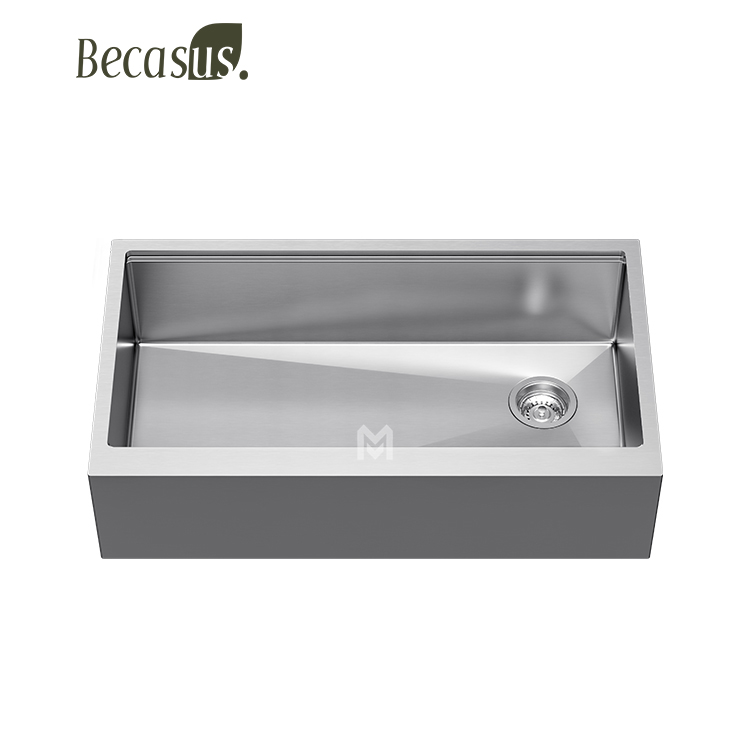
Beyond Thickness: The Co-Requirements for a Quality Kitchen Sink
You cannot judge a metal basin on thickness alone. Several other manufacturing choices dictate its overall lifespan and usability.
Steel Grade (Corrosion Resistance)
Gauge measures physical impact resistance. Steel grade measures chemical resistance. A thick basin remains useless if it uses cheap steel. You need to understand the Chromium-to-Nickel ratio.
Look for Series 304 stainless steel. Manufacturers often label this as 18/8 steel. It contains 18% chromium and 8% nickel. This mixture prevents rust under standard residential use. Do you live in a coastal or high-humidity environment? Consider upgrading to Series 316. This 18/10 steel adds more nickel for ultimate corrosion resistance. Never sacrifice grade for gauge.
Corner Radius and Cleanability
Modern aesthetic trends push for zero-radius corners. These feature sharp 90-degree internal angles. They look highly industrial and sleek. Unfortunately, they are incredibly difficult to clean. Food particles trap easily in sharp corners.
We recommend choosing small-radius corners. These slightly rounded edges offer the best compromise. They maximize your usable flat bottom space. They also allow your sponge to wipe the corners clean effortlessly.
Drain Placement
Traditional designs place the drain dead center. This layout creates workflow problems. Stacked plates easily block water flow.
Look for models featuring off-center or rear-placed drains. Moving the drain to the back prevents dishes from sealing the hole. This simple design choice maximizes the usable flat area. It also pushes the plumbing back inside your base cabinet, freeing up valuable storage space.
Implementation Realities and Installation Risks
Choosing the right metal solves only half the equation. You must install and maintain it correctly. Poor execution ruins even the best materials.
The False "Flexing" Phenomenon
Consumers frequently complain about 18-gauge basins bowing under pressure. We need to address this common grievance. The metal itself rarely fails.
Expert installers point to a different culprit. Flexing is frequently caused by improper under-mount installation. Many DIYers rely solely on silicone and small clips. A basin full of water weighs nearly 80 pounds. You must use proper under-mount strapping. Adding wooden or metal cabinet reinforcements supports the heavy load. This eliminates bottom flexing completely.
The "Fake Rust" Warning (Maintenance Consideration)
High-quality stainless steel can appear to rust. This alarms many homeowners. They assume the manufacturer lied about the steel grade.
The danger usually comes from your cleaning tools. Never use carbon steel wool, like Brillo pads, on your basin. These harsh pads shed microscopic iron particles. These invisible shards embed into the brushed steel texture. Water hits the iron, and the iron oxidizes. This creates "fake rust" on the surface. Always use non-abrasive pads and proper stainless cleaners to avoid this issue.
Total Cost of Ownership (TCO) & ROI
Evaluating Total Cost of Ownership involves looking beyond the retail price. You must compare upfront costs against potential future failures.
Consider the cost variance between 16 and 18-gauge options. A 16-gauge model costs slightly more upfront. Now, calculate the labor cost to replace a failing under-mount basin five years later. Removing stone countertops to swap a damaged basin costs thousands. Spending slightly more on premium thickness today effectively mitigates future replacement labor costs.
Decision Framework: Shortlisting Your Next Steps
You need a clear path forward. Match your exact lifestyle needs to the right material specification.
Choose 16-Gauge If:
You frequently cook with heavy gear: Cast iron skillets and large stockpots demand maximum dent resistance.
You want an oversized single basin: Spans over 30 inches require the structural rigidity of thicker steel.
You have an open-concept home: Kitchen noise easily travels to living areas. Thicker metal limits acoustic disruption.
You run heavy-duty disposals: Thicker material handles aggressive motor torque without warping the flange.
Choose 18-Gauge If:
You are optimizing a renovation budget: This allows you to allocate funds to premium appliances or countertops.
You buy from a reputable brand: Top manufacturers compensate for thinner metal with top-tier MLV sound-deadening coatings.
You rely heavily on a dishwasher: Light sink usage reduces the risk of blunt force impacts.
You prefer standard sizing: Double-bowl or smaller single-bowl configurations do not require maximum metal rigidity.
Conclusion
Asking "what gauge is best" ultimately comes down to matching metal thickness to your specific lifestyle. You must evaluate how you cook, wash, and interact with your kitchen environment.
Here are your action-oriented next steps:
Prioritize 16-gauge for heavy use: It provides long-term peace of mind, premium acoustics, and handles heavy cast iron safely.
Accept 18-gauge as a viable alternative: It remains cost-effective, provided you buy from a reputable brand with excellent sound-deadening.
Avoid 20-gauge completely: Never use thin utility basins for primary kitchen duties or garbage disposal mounting.
Verify the steel grade: Always confirm the basin uses 304 or 316 series steel to prevent authentic corrosion.
Demand structural strapping: Instruct your installer to use heavy-duty support rails to prevent false flexing.
FAQ
Q: Will an 18-gauge sink easily dent from dropping a glass?
A: No, standard glassware will shatter before denting an 18-gauge sink. Denting is primarily a concern for heavy items like cast-iron skillets or large pots. Everyday dishes pose no threat to the structural integrity of 18-gauge steel.
Q: Does a thicker gauge prevent scratches?
A: No. Gauge relates to thickness, not surface hardness. All stainless steel will develop a natural patina of micro-scratches over time. You must use bottom grids if you want to prevent direct metal-to-metal scratching.
Q: Can I install a heavy garbage disposal on a 20-gauge sink?
A: It is highly discouraged. The motor's torque can cause the thin metal to warp around the flange. This leads to persistent leaks and excessive noise. Always upgrade to 18-gauge or thicker for disposal units.
Q: How can I tell if my sink's rust is a defect or "fake rust"?
A: If the rust wipes away with a specialized stainless cleaner or mild acid like Bar Keepers Friend, it is fake rust. It was likely surface contamination from cleaning tools or cast iron, not a metal grade failure.


