


How To Clean Shower Drains?
Views: 0 Author: Site Editor Publish Time: 2026-05-01 Origin: Site


Standing water and foul odors demand immediate action when you step into the bathroom. You might feel tempted to panic-buy a harsh chemical solvent right away to fix the mess. However, choosing the wrong liquid drain cleaner can quickly transform a minor $10 clog into a catastrophic $1,000 plumbing repair. Effectively clearing a blockage requires matching the removal method to the specific composition of the clog. You also need to account for your unique plumbing infrastructure, including pipe materials and fixture designs.
This article provides an evidence-based, progressive escalation guide to safely clear your drain. We will weigh the exact effectiveness, financial costs, and physical risks of physical tools, chemical solutions, and professional intervention. You will learn how to restore perfect water flow without permanently damaging your home.
Key Takeaways
Mechanical Over Chemical: Physical extraction (snaking, hooking, plunging) consistently outperforms chemical solvents with zero risk of pipe corrosion.
Know Your Pipes: Boiling water is effective for metal pipes but can permanently warp or melt PVC plumbing.
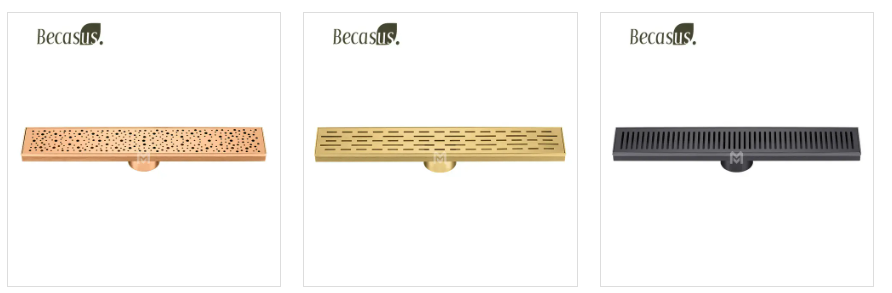
Modern Fixtures Require Specific Care: Upgraded installations like a linear shower drain require modular, component-level cleaning (grate, siphon, channel) rather than aggressive plunging.
Warning Signs: Gurgling sounds or black sludge indicate a deeper mainline issue that DIY methods cannot fix.
The Anatomy of a Shower Clog (And Why Most Solvents Fail)
Understanding how blockages form helps you choose the right removal method. We can deconstruct the standard clog into three distinct components to see why targeted removal is necessary.
The Net: Shed hair acts as the primary structural mesh. Human hair resists natural degradation. It tangles together and forms a durable, net-like barrier inside your pipes.
The Binder: Hair alone rarely causes a complete blockage. Soap scum, body oils, and hard water minerals act as biological glue. They coat the hair mat and cement it into a solid, sticky mass.
The Choke Point: Clogs usually anchor in the P-trap. This curved section of pipe holds water to block dangerous sewer gases from entering your home. Gravity forces heavy debris to settle right in this low curve.
Most homeowners turn to harsh liquid solvents. This creates a terrible return on investment. Acidic liquids often burn a tiny, temporary hole straight through the center of the mass. Water temporarily drains, creating a false sense of success. Once water flow resumes, the remaining sticky mass catches new hair immediately. The blockage rebuilds itself within days. You waste money on expensive chemicals and experience recurring plumbing issues.
How to Clean Shower Drains: A Progressive Action Plan
You need an evaluation framework to tackle blockages systematically. We rank methods by ascending difficulty, cost, and risk profile. This allows you to stop at the easiest effective solution.
Action Level | Removal Method | Financial Cost | Risk Profile |
|---|---|---|---|
Level 1: Thermal & Natural | Boiling Water / Baking Soda | Very Low | Low (Metal), High (PVC) |
Level 2: Surface Extraction | Zip-it Tools / Wire Hangers | Low | None |
Level 3: Pressure & Vacuum | Plunger / Modified Shop-Vac | Medium | Low |
Level 4: Deep Clearance | Plumber's Auger (Snake) | Medium | Medium |
Level 1: Thermal & Natural Solutions (Low Risk, Low Cost)
Start with simple heat if you have slow flow. Boiling water easily melts soap binders and flushes away body oils. Crucial Constraint: You must verify you have metal pipes first. Strictly avoid pouring boiling water down PVC piping. Intense heat can permanently warp plastic and cause sudden joint failure. If you have plastic pipes, rely on baking soda and vinegar instead. Pour a half cup of baking soda followed by a half cup of white vinegar. The foaming action effectively dislodges loose organic matter. It works best for slow flow and odor removal, not hard blockages.
Level 2: Surface & Mechanical Extraction (High ROI, Medium Effort)
Physical removal works best for tangled hair. Barbed plastic strips provide the most cost-effective method for shallow hair mats. You push the strip down the pipe and pull it up to hook the debris. You can also build DIY alternatives easily. Straighten a wire coat hanger and bend a tiny hook at one end using pliers. Alternatively, take a heavy-duty zip tie and cut diagonal notches along the edges to create plastic barbs.
Level 3: Pressure & Vacuum Tactics (High Effectiveness, Zero Chemicals)
You can use physics to force blockages out. The plunger method creates intense hydraulic pressure. Coat the rubber rim of your plunger with a thick layer of petroleum jelly. This creates an airtight vacuum seal against the floor. You must ensure water fully covers the rubber cup to generate effective force. Pump aggressively to dislodge the mass. For a reverse approach, try a modified wet/dry shop vacuum. Take an empty plastic beverage bottle and cut off the bottom. Attach the bottleneck to your vacuum hose using heavy tape. Place the wide bottle base over the drain to create a suction funnel. This physically reverses the clog out of the pipe.
Level 4: Deep Clearance (For Stubborn P-Trap Blockages)
Deep obstructions require professional-grade mechanical tools. A plumber's snake, or hand auger, reaches far down into the P-trap. You must remove the metal cover first. Push the metal cable down until you hit solid resistance. Rotate the handle clockwise so the metal tip bites into the blockage. Once it grips the mass tightly, rotate counter-clockwise while pulling it out slowly.
Hardware-Specific Maintenance: Cleaning a Linear Shower Drain
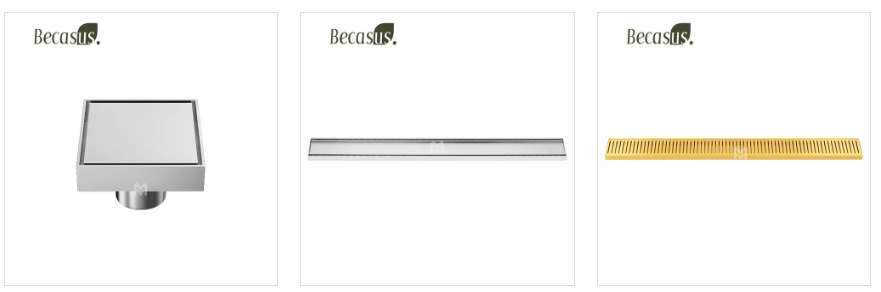
Modern, flush-mount drainage systems require different handling. You cannot treat them like traditional circular floor grates. Upgraded fixtures demand careful modular maintenance. Let us explore the proper way to maintain a linear shower drain safely.
Step 1: Grate/Trim Removal
Never pry the top cover off using a flathead screwdriver. Always use the dedicated lifting key provided by the manufacturer. This prevents scratching sensitive stainless steel, tile-in, or chrome finishes. Clean the visible trim only using non-abrasive soft cloths.
Step 2: Clearing the Siphon (Water Seal)
Reach inside and carefully remove the internal siphon component. This part traps odors but also catches heavy debris. Use a soft brush to scrub out any accumulated biofilm. Ensure you clear the direct connection pointing toward the main sewer pipe.
Step 3: Flushing the Channel
You must clean the built-in pre-sloped trough. This channel consists of either resin or stainless steel. Scrub the interior surfaces gently using warm water and a soft-bristled brush. Thoroughly rinse the area and wipe it entirely dry. Drying prevents hard-water scaling and mineral buildup along the edges.
Best Practices for Linear Hardware:
Always lift the grate straight up to avoid bending the alignment pins.
Use mild dish soap instead of abrasive scouring powders.
Inspect the rubber O-rings on the siphon for wear before reassembling.
Evaluating Drain Cleaners: Risks, Trade-Offs, and Safer Hacks
Commercial liquid solvents dominate grocery store shelves. However, they carry significant hidden dangers for homeowners.
The Case Against Harsh Chemicals
Strong commercial liquids cause immediate pipe degradation. Ingredients like sulfuric acid and lye generate immense exothermic heat. This chemical reaction easily warps PVC plumbing. It also severely corrodes older metal pipes, leading to expensive pinhole leaks. Furthermore, these liquids devastate your septic system impact. They destroy the beneficial bacteria required to break down natural household waste. Safety hazards represent the biggest threat. If the clog does not clear, you are left with a dangerous, toxic puddle in your tub. This puts you and any future hired plumbers at extreme risk of severe chemical burns.
Common Mistakes to Avoid:
Pouring a second chemical over a failed first chemical. This creates lethal toxic gas.
Leaving acidic liquids in pipes overnight to "soak" the blockage.
Ignoring safety goggles when pouring thick acid gels.
The "Hacker" Alternative (Protein Dissolvers)
The DIY plumbing community uses a safer, tested alternative. Many people successfully use standard depilatory creams, commonly known as hair removal creams. These lotions contain much milder hydroxide levels. You squirt a generous amount down the pipe and wait an hour. They safely degrade keratin proteins found in human hair. They do this without generating any pipe-melting heat. Simply wash the cream down with warm water afterward.
When to Stop DIYing and Call a Professional Plumber
Every homeowner needs to know their limits. You must define the exact thresholds where DIY methods become dangerous liabilities.
Red Flags for Mainline Failures
Stop your efforts immediately if you notice systemic issues. Localized blockages only affect one fixture. Mainline failures threaten the entire house structure. Look out for these specific warning signs:
Water actively backs up into the tub when you flush a nearby toilet.
Foul-smelling, black sludge emerges from the floor. This indicates a massive raw sewer backup, not a localized hair tangle.
You hear loud, audible gurgling coming from other bathroom fixtures. This points to severely blocked venting pipes on your roof.
Cost Framing
You might hesitate to call a professional due to pricing anxiety. Most local plumbers charge between $150 and $300 for a professional mechanical auger run. Compare this directly to the alternatives. Paying a plumber is drastically cheaper than replacing chemically melted pipes. It also costs far less than hiring water mitigation crews to clean up toxic black water damage inside your walls.
Preventative Infrastructure: Stopping Clogs Before They Start
You must shift your mindset from reactive cleaning to proactive defense. Small daily habits prevent massive plumbing headaches down the road.
Hardware Upgrades
Stop debris before it enters the plumbing system. Install a dedicated hair catcher or a simple silicone strainer over the opening. This represents the absolute highest ROI plumbing investment a homeowner can make. They cost less than ten dollars and catch nearly all physical debris before it enters the P-trap.
Behavioral Maintenance
Change your daily bathroom routines slightly. If you have metal plumbing, flush the pipes weekly using hot water. This melts away body oils and prevents thick lipid buildup on the interior walls. Additionally, brush your hair thoroughly prior to showering. This moves loose strands safely into the trash can rather than washing them down the drain. A little routine maintenance keeps your shower drains flowing perfectly for years.
Conclusion
Start with physical extraction tools first. Hooking devices and plungers solve 90% of localized blockages safely.
Identify your specific pipe material and hardware before applying intense heat or pressure.
Never pour caustic acids down a completely blocked pipe.
Upgrade to preventative strainers to eliminate future maintenance hassles permanently.
FAQ
Q: Why does my shower drain smell even if the water flows fine?
A: The P-trap may have dried out, allowing raw sewer gas to rise into your bathroom. Alternatively, a thick layer of biological biofilm has formed on the pipe walls above the water line. Run water for a minute to restore the vapor seal. If the smell persists, scrub the upper pipe vigorously with baking soda and a brush.
Q: How often should I proactively clean my drain?
A: Clear surface strainers weekly to maintain optimal flow. Perform a deep clean of the internal components every 4 to 6 weeks. This timeline depends heavily on your household size and average hair length. Deep cleaning is especially critical for a linear shower drain to prevent hard water scaling.
Q: Can I use a standard household vacuum to clear a clog?
A: Never use a standard dry vacuum for plumbing tasks. You will ruin the motor and risk electrocution. Only an industrial Wet/Dry shop-vac is safe for plumbing extraction. Even then, it is only effective for loose, shallow debris. It will not move tightly wound hair mats lodged deep in the P-trap.


