


Do Shower Drains Have Traps?
Views: 0 Author: Site Editor Publish Time: 2026-05-04 Origin: Site


Do you ever wonder what stops hazardous sewer gases from creeping into your bathroom? The answer relies on a seemingly simple yet strictly regulated plumbing component. Modern plumbing codes mandate traps for all shower drains to prevent toxic, flammable fumes from entering living spaces. Skipping this crucial installation invites serious health risks and guarantees failed building inspections.
Whether you are specifying parts for a bathroom remodel, diagnosing recurring odors, or evaluating a contractor's plumbing plan, understanding trap requirements remains critical for project success. A well-designed plumbing system protects your property value alongside your daily well-being.
This post breaks down trap mechanisms, evaluates compliant hardware, and outlines sizing specifications. You will learn how to navigate common installation myths and select the exact components needed to prevent long-term maintenance failures.
Key Takeaways
Mandatory Compliance: Building codes require a P-trap for every shower drain; skipping it invites health risks and fails inspections.
The Sizing Solution: The standard practice to prevent hair clogs is upgrading to a 2-inch pipe, not removing the trap.
Design Considerations: High-capacity fixtures like a linear shower drain require traps rated for matching flow rates (e.g., 24–54 L/min) to prevent backup.
Legacy Risks: Older S-traps are obsolete due to siphoning risks and should be retrofitted with P-traps and proper venting.
Why Every Shower Drain Requires a Trap (And Debunking Common Myths)
Municipal sewer systems act as massive biological reactors. They break down organic matter constantly. This continuous decomposition creates hydrogen sulfide and methane. These gases cause nausea, trigger headaches, and pose significant fire hazards. You cannot simply leave a pipe open to these systems. The trap creates a physical water seal. Industry professionals often call this a water barrier. This small pool of water isolates the indoor environment from the municipal sewer lines. It blocks toxic gases effectively while allowing wastewater to pass through.
You will occasionally hear contractors suggest omitting traps in slab foundations. They claim this avoids expensive concrete demolition when hair clogs inevitably occur later. We consider this a dangerous implementation myth. Omitting a trap represents a severe code violation. Plumbing inspectors will flag it immediately.
The structurally sound solution does not involve removing safety features. Instead, you must utilize a standard 2-inch pipe diameter. This larger size handles heavy hair and debris flow. The outdated 1.5-inch minimum often fails here. You avoid clogs completely without compromising safety. Proper engineering solves the problem before it starts.
Building codes also dictate strict distance parameters. The Uniform Plumbing Code (UPC) provides clear rules. To effectively neutralize odors, you must install the trap no further than 5 feet from the drain inlet. Pushing it further allows foul-smelling bacteria to breed. Slime builds up on the wet pipe walls above the water seal. Keeping the distance short prevents this localized odor generation.
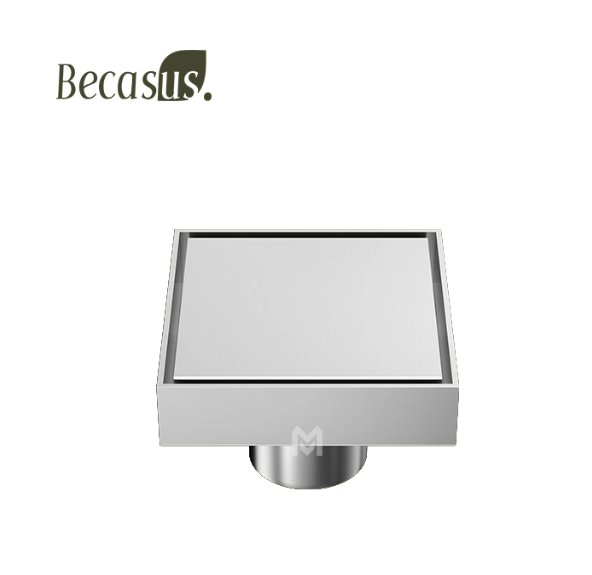
Trap Configurations: Evaluating Solution Categories
Understanding your hardware options helps you make compliant choices. Let us evaluate the three primary trap configurations used in plumbing today.
P-Traps (The Modern Standard)
P-Traps represent the modern gold standard. Their structure features a U-shaped bend attached to a horizontal arm. This specific shape integrates seamlessly into plumbing vent systems. Vents equalize air pressure inside the pipes. They maintain the protective water seal perfectly. P-Traps remain highly resistant to siphoning. Building codes worldwide mandate them for new residential and commercial construction.
S-Traps (The Legacy Liability)
S-Traps represent a severe legacy liability. They feature an S-shaped curve dropping vertically into the floor. They usually lack a dedicated air vent. Gravity pulls wastewater downward rapidly during use. Without a vent, this rushing water creates a vacuum. The vacuum pulls the water seal down the pipe. This siphonage leaves the trap completely dry. Room occupants then face direct exposure to sewer gas. Plumbing codes classify S-Traps as non-compliant for all new builds.
Waterless Traps/Valves (Niche/Specialty Use)
Waterless traps handle highly specialized niche applications. They rely on an internal elastomeric membrane instead of standing water. HepvO valves serve as a common example. Water pushes the membrane open during showering. Once the water stops, the membrane snaps shut flat. We evaluate them primarily for RVs and mobile homes. They also work for structural renovations featuring extreme space limitations. You use them only when a traditional P-trap absolutely cannot fit.
Configuration Comparison Chart
Configuration Type | Design Structure | Siphon Risk | Code Compliance Status |
|---|---|---|---|
P-Trap | U-shaped curve into a horizontal waste arm | Very Low (when properly vented) | Mandatory for new builds |
S-Trap | S-shaped curve into a vertical drop | Extremely High | Banned/Non-compliant for new construction |
Waterless Valve | Internal elastomeric membrane (no water) | None | Conditionally approved for niche/RV use |
Sizing and Flow Rate Specifications
Pipe diameter plays a crucial role in drainage efficiency. Plumbers do not treat all fixtures equally. Bathroom sinks typically use 1.25-inch pipes. Kitchen sinks rely on 1.5-inch versions. However, shower networks universally require a minimum 2-inch diameter trap. This larger size accommodates high water volumes. It also flushes solid debris efficiently.
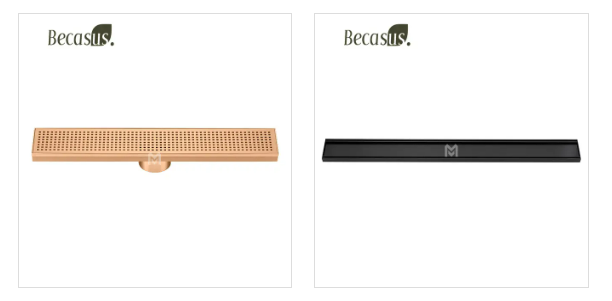
Matching traps to fixture outputs ensures your bathroom functions properly. Standard showerheads process around 11.5 Liters/minute (L/min). However, modern luxury designs demand significantly more drainage capacity. If you install a multi-head system or a linear shower drain, the trap must scale up accordingly. These elevated setups frequently require ratings between 24 L/min and 54 L/min. Ignoring these ratings guarantees surface flooding during use.
You can calculate your exact flow rate requirements easily. Follow these standard evaluation steps:
Identify the maximum gallon-per-minute (GPM) or L/min rating for every showerhead installed.
Add the individual output numbers together to find your total potential water volume.
Select a trap and waste assembly rated at least 20% higher than your calculated total.
Depth constraints pose another physical challenge during installation. Shallow traps exist for limited-depth shower trays. Manufacturers design them specifically for tight sub-floor spaces. However, they require stricter maintenance schedules. Their reduced water seal volumes evaporate much faster. You must monitor them closely to prevent gas leaks.
Maintenance Realities
Maintenance realities directly impact your total cost of ownership. The "dry trap" phenomenon frequently affects secondary bathrooms. Rarely used guest showers experience steady water evaporation over time. This evaporation eventually breaks the protective water seal completely.
Minimal ongoing maintenance solves this problem instantly. You simply need to run water for thirty seconds every month. This action replenishes the water barrier. Commercial settings utilize a more automated solution. Facility managers install mechanical trap primers. These devices inject a small spurt of fresh water into the pipe automatically. They trigger whenever a nearby toilet flushes. This prevents dry traps across large facilities.
Modern plumbing designs also offer a massive top-down maintenance advantage. Historically, fixing clogs required accessing the plumbing from below. This meant tearing up expensive flooring. You no longer need sub-floor access to clear blockages.
Today, manufacturers integrate removable internal cores into their drains. Plumbers call these components strainers or hair catchers. Homeowners and maintenance staff can pull these cores out easily. You clear hair and soap scum directly from the shower floor. This drastic design improvement lowers long-term repair costs. You avoid costly service calls and destructive concrete demolition.
Retrofitting and Next Steps
Upgrading older plumbing requires a systematic and careful approach. Visual and olfactory inspection always comes first. Foul odors frequently signal a failed water seal. Slow drainage often indicates an improperly vented system. These symptoms usually point directly toward an obsolete S-trap.
Upgrading old S-Traps to modern P-Traps follows specific conversion logic. You must introduce proper air venting during the retrofit. Tearing up finished walls to install a traditional vent stack often proves cost-prohibitive. Most homeowners want to avoid massive drywall repairs.
In these challenging scenarios, evaluate adding an Air Admittance Valve (AAV). You install the AAV alongside your new P-trap. The AAV acts as a one-way mechanical door. It opens to let room air inside the pipe. It then closes tightly to keep sewer gases trapped. This combination achieves code compliance and balances pressure safely.
When choosing professional help, follow strict shortlisting criteria. Treat contractor selection seriously. Use the following guidelines to vet your plumber:
Ensure the professional explicitly guarantees local building code compliance in writing.
Verify they commit to using standard 2-inch pipe for all shower assemblies.
Confirm they understand the 5-foot maximum proximity rule connecting the trap to the drain.
Ask them to document the planned vent strategy, especially if utilizing an AAV.
Conclusion
Shower traps represent a non-negotiable safety feature inside any functional building. They are never an optional accessory. A properly installed water seal protects you from harmful biological gases and prevents unpleasant bathroom odors. Understanding the difference between modern P-traps and obsolete S-traps empowers you to make safe renovation choices.
We recommend prioritizing properly sized hardware for your upcoming projects. Choose easily accessible P-traps combined with high-quality, removable strainers. Implement a monthly water flush routine for unoccupied guest suites. Evaluate your current bathroom setup and identify any slow-draining systems today. Taking these proactive steps will maximize drainage efficiency and minimize your long-term maintenance overhead.
FAQ
Q: Can a shower share a P-trap with a floor drain?
A: Building codes typically require individual traps for every plumbing fixture. Sharing a single P-trap between a shower and a floor drain violates most regulations. Modern plumbing rules allow wet venting in specific layouts. However, each fixture must still connect to its own dedicated trap before joining the shared line. This approach guarantees stable water seals.
Q: Why does my shower smell like rotten eggs if I have a trap?
A: The rotten egg smell indicates sewer gas bypassing your water seal. This happens when the water inside the trap evaporates due to inactivity. Guest bathrooms experience this frequently. You can fix it instantly by running the shower briefly. This quickly replenishes the water barrier and blocks odors.
Q: How do you unclog a shower P-trap safely?
A: Harsh chemical cleaners can degrade PVC and ABS pipes. You should rely on manual top-down extraction first. Remove the drain cover and pull out debris using a simple snake tool. For lingering residue, pour half a cup of baking soda followed by white vinegar. Flush it thoroughly using boiling water.


