


Vessel Sink Vs Undermount Sink: Which Works Better For Your Bathroom?
Views: 0 Author: Site Editor Publish Time: 2026-06-27 Origin: Site


Choosing a bathroom sink rarely involves just aesthetics. It heavily dictates daily maintenance routines, vanity compatibility, and precise plumbing requirements. Remodeling a bathroom forces you into a critical design dilemma. You must decide between the architectural statement of a surface-mounted sink and the seamless utility of an integrated design. This fundamental choice sets the tone for your daily habits. Will you prioritize a striking visual centerpiece? Or do you prefer effortless wipe-downs during busy morning rushes?
We will explore these essential questions. You will learn how to accurately evaluate installation risks, cleaning realities, and spatial constraints. Understanding these factors helps buyers finalize their hardware decisions confidently. Functionality and design must work together to create a successful space. Whether you prioritize spatial efficiency or bold styling, knowing these variables ensures a successful bathroom renovation. We will guide you through the technical differences to find the perfect fit.
Key Takeaways
Primary function dictates choice: Undermount sinks excel in high-traffic primary or family bathrooms due to seamless cleaning, while a vessel basin serves best as a focal point in lower-traffic powder rooms.
Installation dependencies: Vessel setups require specific vanity heights (typically shorter) and specialized tall or wall-mounted faucets to prevent water splashing.
Maintenance realities: Undermounts eliminate countertop lips but require strong sealant and structural support; vessels expose the base joint, creating potential hard-to-clean zones.
Cost comparison: While the sinks themselves may be priced similarly, vessel configurations often require more expensive specialty faucets and meticulous countertop finishing.
Defining the Structural Approach
The Vessel Basin Profile
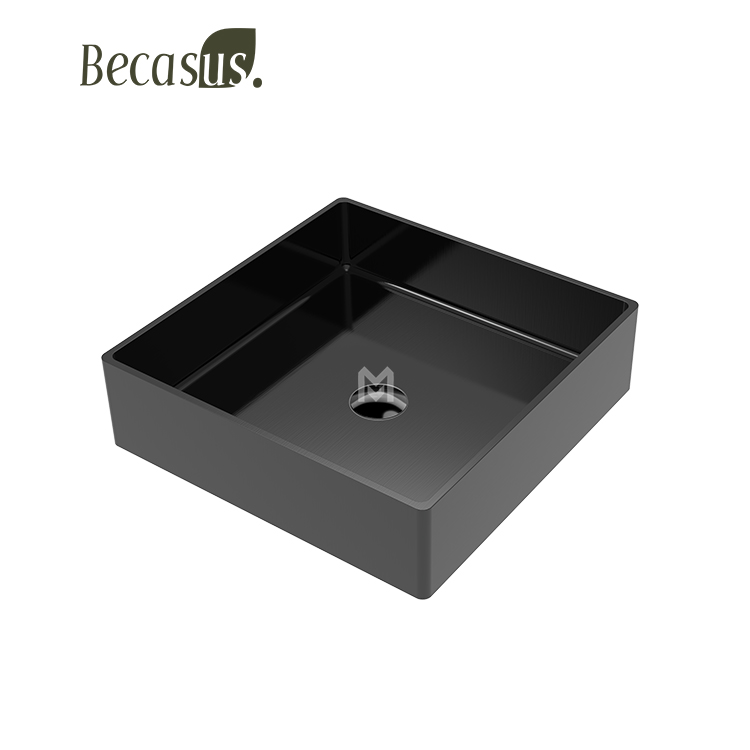
A vessel basin functions as a freestanding bowl. It rests entirely or partially above the vanity counter surface. This architectural approach turns an ordinary plumbing fixture into a prominent sculptural element. It immediately draws the eye upon entering the room. Manufacturers produce these bowls using highly flexible design materials. You can find options crafted from tempered glass, carved natural stone, cast concrete, and traditional ceramic. This diversity allows homeowners to inject profound personality into a space. A beautifully crafted stone bowl introduces organic textures, while a sleek glass option enhances modern minimalism.
The Undermount System
An undermount system involves mounting the sink directly beneath a precisely sized countertop cutout. The rim of the sink completely disappears below the counter surface. This creates an uninterrupted, seamless horizontal plane across the vanity. However, this installation requires specific structural conditions. You must use solid-surface countertops. Materials like quartz, granite, or solid marble safely support the rimless edge and withstand constant moisture exposure. Industry standards dictate against using laminate or wood countertops for this application. The exposed core of laminate easily absorbs water, leading to rapid material degradation and structural failure.
Daily Functionality and The Splashing Factor
Ergonomics and Height
Comfortable ergonomics rely heavily on proper height alignments. A standard bathroom vanity measures roughly 36 inches high. Adding a 5-to-6-inch bowl on top creates a functionally uncomfortable height. It forces the overall washing level to 41 or 42 inches. This elevation causes strain for average-height users. It also makes the sink virtually inaccessible for young children. Assess vanity height modifications before committing to a surface-mounted bowl. Designers typically recommend pairing them with shorter vanities, ideally around 30 to 32 inches tall. This adjustment restores a comfortable, ergonomic washing posture.
Water Containment (The Splashing Reality)
Water containment often determines long-term user satisfaction. You must evaluate the "splash zone" carefully. Undermount installations sit lower, safely capturing splashback within the recessed bowl. Surface-mounted options introduce distinct splashing risks. They require precise faucet-to-drain alignment to avoid casting water onto the counter. You must pair these bowls with specialized low-flow aerators. The correct spout reach ensures the water stream hits the drain dead center. If the water hits the sloped side of a shallow bowl, it will inevitably deflect outward.
Counter Space Utilization
Vanity surface area remains a premium commodity in most bathrooms. Undermounts maximize usability. They free up surface area entirely, allowing you to slide items right up to the sink edge. Surface-mounted bowls inherently consume valuable real estate. Their physical footprint dictates exactly where you can place toiletries, soap dispensers, and grooming tools. The bowl physically interrupts the continuous flow of the counter.
Functionality Comparison Chart
Feature | Vessel Configuration | Undermount Configuration |
|---|---|---|
Ergonomic Target | Requires lowered 30-32" vanity | Works with standard 36" vanity |
Splash Control | High risk; needs precise alignment | Low risk; naturally contained |
Usable Counter Space | Reduced by bowl footprint | Maximized surface area |
Long-Term Maintenance and Cleaning Realities
Cleaning the Undermount
The undermount configuration dominates in maintenance efficiency. Its flush design offers a convenient "wipe-in" capability. You can simply sweep pooled water, makeup dust, and debris directly into the basin using a single motion. It eliminates obstructive barriers completely. However, you must monitor specific hidden risks. The concealed silicone joint between the counter underside and the sink rim demands attention. If installers fail to seal it perfectly, this dark, damp crevice can easily harbor black mold over time. Proper initial installation and routine visual inspections remain essential to prevent biological growth.
Cleaning the Vessel Sink
Surface-mounted bowls present a completely different set of maintenance challenges. The bowl interior remains highly accessible and generally easy to wipe down. Yet, the exterior architecture creates significant hurdles. The point where the curved base meets the flat countertop forms an acute, 90-degree angle. This tight "pinch point" acts as a magnet. It rapidly collects airborne dust, stray hair, and splashed water. Standard sponges cannot easily reach inside this tight junction. You will likely need specialized tools, such as thin detailing brushes, to keep the base perimeter genuinely sanitary.
Installation Variables and Vanity Compatibility
Countertop Cutouts and Edging
Fabrication requirements impact your project timeline and budget significantly. Undermount installations require highly polished, precisely routed inside edges. Since the stone edge remains completely visible, fabricators must sand and polish the cutout flawlessly. This labor-intensive process increases fabrication costs. Conversely, a surface-mounted bowl simplifies the countertop preparation. It only requires a standard, rough-drilled drain hole and occasionally a small faucet hole. This approach allows for much cheaper countertop cuts. It even empowers homeowners to use creatively upcycled furniture pieces, like vintage dressers, as unique vanity bases.
Plumbing and Faucet Pairing
Your sink selection strictly dictates your faucet options. Undermounts provide maximum flexibility. They seamlessly accommodate standard centerset, widespread, or single-hole faucets mounted directly on the deck. Surface-mounted bowls demand specialized hardware. You must purchase distinctively tall vessel-filler faucets to clear the high rim. Alternatively, you can install wall-mounted plumbing. Wall-mounted fixtures offer a stunning, high-end look. However, they require opening the bathroom drywall, repositioning structural studs, and extensively rerouting copper pipes. This process significantly increases the scope of your plumbing labor.
Compatibility Checklist for Vanity Upgrades
Measure existing vanity height: Ensure it measures under 34 inches if adding a surface bowl.
Verify countertop material: Confirm the surface is solid stone before attempting a recessed mount.
Check wall studs: Locate framing to see if wall-mounted faucets are structurally feasible.
Assess drain placement: Ensure the existing P-trap aligns with the new sink depth.
Shortlisting Logic: Matching Sink Type to Bathroom Type
The Powder Room / Guest Bath
Designers strongly recommend surface-mounted bowls for powder rooms. These spaces experience exceptionally low daily traffic. They require very minimal heavy cleaning since guests primarily use them for quick hand washing. A striking surface bowl creates an immediate, high-impact visual impression for visitors. It acts as a primary decor element. In these environments, you maximize your aesthetic return on investment without suffering the daily maintenance drawbacks of a pinch-point base.
The Primary (Master) Ensuite
The primary bathroom thrives on an undermount configuration, particularly in a dual-sink setup. These spaces endure high-volume, aggressive daily usage. Morning routines involving shaving, makeup application, and face washing generate substantial messes. You require maximum, uninterrupted counter space to organize numerous toiletries. The effortless wipe-down capability ensures you can maintain a hygienic environment daily without wasting time detailing tight corners.
The Kids' or Shared Family Bath
Shared family bathrooms strongly benefit from undermount installations. The lower, standardized height provides essential accessibility for growing children. Recessed porcelain or stainless steel models offer rugged durability against dropped items. Most importantly, a recessed installation carries zero risk of the sink shifting under heavy leaning. It entirely eliminates the risk of exterior base grime buildup caused by sloppy handwashing habits.
Ideal Bathroom Matching Summary
Bathroom Type | Recommended Sink Style | Primary Justification |
|---|---|---|
Powder Room | Surface-mounted | High aesthetic impact; low daily maintenance |
Primary Ensuite | Undermount | Maximum counter space; high-traffic durability |
Kids' Bath | Undermount | Ergonomic accessibility; easy spill cleanup |
Cost Implications
Upfront Hardware Costs
Comparing standard hardware pricing reveals distinct market dynamics. Basic porcelain models for both styles often share similar baseline pricing. However, surface-mounted bowls frequently venture into premium artisan territory. Hand-blown glass, carved travertine, or hammered copper bowls carry a significant premium over mass-produced porcelain undermounts. You are paying for the sculptural artistry and specialized material sourcing.
Labor and Installation
Hidden labor requirements drastically alter your final budget. Undermount installations demand specialized mounting clips, industrial-grade epoxy, and multiple installers for heavy lifting during the curing process. Fabricators charge extra for polishing the visible rim. Conversely, surface bowls skip the rim polishing fees but add costs elsewhere. They require highly precise faucet alignment. If you choose wall-mounted plumbing, expect hefty fees for invasive drywall repair and pipe rerouting.
Resale Value Considerations
Consider future buyer skepticism when remodeling. Undermount setups remain universally accepted. They offer a timeless, highly functional aesthetic appealing to almost all demographics. Bold, surface-mounted basins can polarize future homebuyers. Some buyers perceive them as outdated trends or daunting maintenance chores. If you plan to sell soon, traditional recessed mounts offer the safest, broadest market appeal.
Conclusion
Ultimately, the vessel sink vs undermount sink debate hinges entirely on the intersection of design ambition and daily utility. One prioritizes sculptural beauty and creative material use. The other champions spatial efficiency and rapid sanitation. Your final choice dictates how you interact with your bathroom every single morning.
Before purchasing any hardware, grab a tape measure. Measure your current vanity height to ensure a surface bowl will not force an awkward posture. Next, consult a licensed plumber regarding your desired faucet placement to avoid unexpected drywall costs. Review your household traffic patterns honestly. Once you align your functional needs with your design goals, you can confidently explore hardware collections to complete your perfect bathroom renovation.
Assess your daily cleaning tolerance before selecting a raised bowl.
Ensure your current vanity height supports your chosen sink style.
Budget properly for hidden fabrication and plumbing relocation fees.
Prioritize undermounts for kids' spaces and primary suites.
FAQ
Q: Can I replace a vessel sink with an undermount sink later?
A: It is generally very difficult. Surface-mounted sinks use a small drain hole, while undermounts require a large, perfectly polished cutout matching the specific bowl shape. Transitioning usually requires purchasing and installing an entirely new vanity countertop to accommodate the new cutout size.
Q: Do vessel sinks require a special drain?
A: Yes, they often do. Many surface-mounted bowls lack a built-in overflow channel. If your bowl has no overflow, you must purchase a specialized "non-overflow" pop-up drain. Using a standard drain on a sink without an overflow channel will cause continuous water leaks underneath the vanity.
Q: Is an undermount sink safe for laminate countertops?
A: No. Industry standards advise against using them with laminate. Laminate contains a particleboard core. The exposed rim of an undermount cutout exposes this core to constant moisture. It will quickly swell, rot, and fail structurally. Drop-in or surface-mounted sinks remain the safest options for laminate.
Q: How much clearance is needed between a vessel basin and the faucet?
A: You generally need about 6 inches of clearance between the bottom of the faucet spout and the sink basin. This precise gap provides comfortable room to wash hands. It also prevents excessive water splashing when the stream hits the bottom of the bowl.


