


Stainless Steel Vessel Sink: A Practical Choice For Modern Bathrooms
Views: 0 Author: Site Editor Publish Time: 2026-07-15 Origin: Site


Selecting the perfect bathroom fixture requires balancing architectural aesthetics with demanding daily routines. You need fixtures built for heavy daily use. Glass and ceramic bowls dominate showrooms everywhere. However, they often fall short under intense real-world conditions. Dropped items easily crack ceramic materials. Sudden temperature changes shatter tempered glass without warning. A reliable alternative ensures you never face these sudden, messy failures.
This guide bypasses surface-level design trends entirely. We evaluate the material science and structural requirements of installing a steel unit. You will learn to navigate the long-term maintenance realities. We explore an industrial-grade solution designed for modern spaces. You will discover exactly how a premium metal basin upgrades your bathroom layout. Read on to master the exact engineering principles behind these modern installations.
Key Takeaways
Material Grade Matters: Opt for T-304 stainless steel with a 16-gauge thickness to ensure dent resistance and long-term structural integrity.
Acoustic Management is Critical: Premium steel vessel basins require heavy-duty sound-deadening pads to prevent the hollow, metallic echo typical of cheaper alternatives.
Installation Geometry Changes: Transitioning to a vessel basin necessitates a lower vanity height (typically 28–30 inches) and precise alignment with tall or wall-mounted faucets.
Maintenance Realities: While impervious to shattering and thermal shock, stainless steel requires proactive management against hard water spots and micro-scratching.
Framing the Business Case: Why a Stainless Steel Vessel Basin?
Bathroom environments endure constant physical impacts and chemical exposures. Ceramic fixtures chip instantly when you drop heavy items like perfume bottles. Tempered glass cracks under sudden thermal shock from hot water. Steel offers total impact resistance. It survives accidental drops perfectly. You eliminate the risk of catastrophic bowl failure entirely. Families and commercial properties benefit immensely from this rugged durability.
Hygienic properties present another compelling argument. Non-porous metal surfaces eliminate bacterial harboring. They keep your bathroom incredibly sanitary. High-traffic environments require fixtures capable of resisting microbial growth. Solid steel achieves this effortlessly. Routine wiping removes surface contaminants quickly. You never have to worry about unseen pathogens settling into microscopic pores.
You also gain massive design versatility. Steel bridges the gap between minimalist modern and raw industrial aesthetics. It integrates seamlessly alongside contemporary bathroom hardware. You can pair it beautifully alongside natural wood counters or sleek quartz surfaces. A steel vessel basin acts as a stunning focal point. It elevates the entire room visually.
Weight advantages simplify your installation process. Cast iron and natural stone weigh heavily on vanities. Heavy fixtures demand reinforced cabinetry and thicker countertops. Steel remains significantly lighter. Most steel units weigh under fifteen pounds. You reduce the structural load on floating vanities drastically. This lighter profile protects fragile countertop materials during the installation phase.
Key Evaluation Dimensions: Engineering & Build Quality
Understanding gauge thickness metrics prevents costly installation errors. You must evaluate options strictly between 16-gauge and 18-gauge steel. We consider 16-gauge materials premium and optimal. The 18-gauge option remains perfectly acceptable for standard use. Lower gauge numbers indicate thicker metal walls. Thicker walls prevent structural flexing when users lean against the rim. Reject 20-gauge or thinner materials immediately. They dent easily and flex under minimal pressure. This flexing breaks the silicone perimeter seal over time.
Always verify the alloy composition before purchasing. You want T-304 grade steel specifically. This specific blend contains 18 percent chromium and 8 percent nickel. These vital elements provide maximum corrosion resistance. Chromium forms a passive oxide layer over the metal. This layer effectively blocks surface rust. Nickel adds physical strength and enhances the metallic luster.
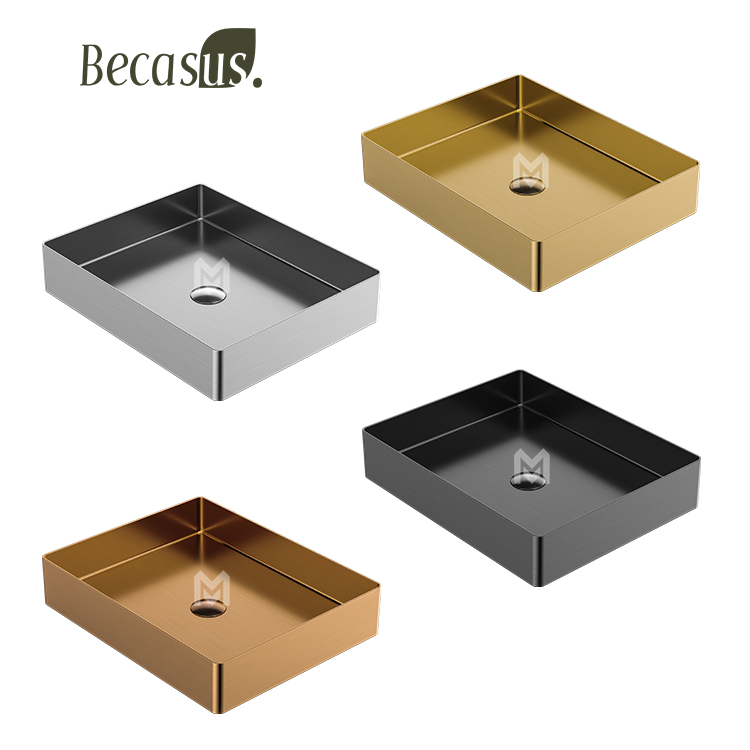
Finish technologies determine your long-term maintenance routine. Different surface treatments behave uniquely under daily water exposure. Review the comparison chart below to understand your finishing options.
Finish Technology |
Visual Characteristic |
Maintenance Profile |
|---|---|---|
Brushed / Satin |
Muted, linear grain pattern |
Excellent for hiding micro-scratches. Requires low daily upkeep. |
Polished |
Mirror-like, highly reflective |
Demands rigorous upkeep. Prone to severe visible water spotting. |
PVD (Vapor Deposition) |
Colored metallic (Gold, Black) |
Chip-resistant molecular bond. Outstanding color retention. |
Acoustic dampening requirements demand careful inspection. Thin metal amplifies kinetic energy. Falling water creates a loud, drumming noise against bare steel. Acoustic pads block this unwanted noise completely. Thick rubber pads absorb the impact of falling water effectively. Check the exterior base for these heavy-duty pads. A high-quality stainless steel vessel sink sounds solid when tapped. It should never produce a hollow metallic echo.
Pros and Cons: A Transparent Assessment
Let us examine the core advantages clearly. Steel boasts absolute immunity to cracking. It resists chipping and thermal shock completely. You save money by eliminating fixture replacement costs. The lifecycle longevity often outlasts the vanity itself. You also get an eco-friendly product. Steel is entirely recyclable at the end of its useful lifespan. Environmentally conscious builders appreciate this specific trait.
We must also discuss the practical trade-offs. Hard water environments pose a specific daily challenge. Water leaves visible mineral deposits if allowed to dry. Calcium and magnesium etch the visual finish eventually. You must wipe the bowl daily to prevent spotting. Alternatively, you can apply protective repellent waxes. Carnauba wax creates a strong hydrophobic barrier. This causes water to bead and roll away effortlessly.
Steel inevitably develops minor surface scratches over time. You must accept this natural aging process. Buyers must feel comfortable allowing the metal to evolve. The metal develops a uniform patina over several months. It will not maintain a pristine factory-new sheen forever. Attempting to buff out every scratch causes uneven wear patterns. Embrace the developing patina as a sign of authenticity.
Finding exact finish matches creates another minor hurdle. You might struggle to match pop-up drains across different manufacturers. A brushed nickel drain from one brand looks different from another. The grain patterns often clash visually. PVD finishes vary wildly between factories. You should source all associated hardware from a single supplier. This strategy guarantees a cohesive aesthetic across your vanity.
Implementation Risks and Vanity Compatibility
Ergonomic miscalculations ruin many expensive bathroom renovations. Standard vanities stand 32 to 36 inches high. Adding a tall bowl raises the rim significantly. This added height creates an uncomfortable experience for average users. Washing your hands becomes physically awkward. Water drips down your forearms constantly. You must specify a lowered vanity for correct ergonomics. A floating counter also solves this specific height issue easily.
Here is a simple chart comparing standard configurations against modified vessel layouts.
Setup Type |
Cabinet Height |
Basin Height |
Total Rim Height |
Ergonomic Rating |
|---|---|---|---|---|
Standard Undermount |
36 inches |
0 inches (Flush) |
36 inches |
Optimal |
Vessel on Standard Vanity |
36 inches |
5 inches |
41 inches |
Poor (Too High) |
Vessel on Lowered Vanity |
30 inches |
6 inches |
36 inches |
Optimal |
Faucet pairing logic dictates your plumbing success. You need a specialized vessel filler. Standard center-set faucets lack the required vertical clearance. Wall-mounted faucets also work perfectly for these setups. Ensure the spout reach aligns directly over the drain. Proper alignment minimizes excessive splashing. Water hitting a flat metal bottom splashes aggressively without precise targeting. Measure the plunge depth carefully before drilling any countertop holes.
Plumbing clearances require strict attention to detail. Most steel models do not feature an overflow hole. Traditional ceramic sinks channel overflow water safely. Steel designs lack this internal cavity structure. You must specify a non-overflow pop-up drain. This specific component ensures proper sealing at the base. It also guarantees full compliance with local plumbing codes. Installing the wrong drain causes persistent leaks under the cabinet.
Shortlisting Logic: Next-Step Decision Framework
Follow this next-step decision framework to streamline your purchase. We break the selection process down into four manageable phases. These steps protect your renovation timeline and budget.
Step 1: Define Spatial Constraints: Measure your countertop depth carefully. Ensure you leave adequate clearance behind the bowl. You need sufficient room for easy cleaning. You also need space for faucet handle rotation. Tight clearances trap moisture and cause mold growth.
Step 2: Select the Finish Lens: Choose a finish based entirely on your maintenance tolerance. Busy households should stick to brushed finishes. Brushed textures hide daily wear beautifully. Polished and PVD finishes deliver high design impact. However, they demand routine care to maintain their striking appearance.
Step 3: Source the Drain Simultaneously: Purchase the sink and the non-overflow drain together. Source them from the exact same manufacturer. This guarantees a watertight fit immediately. It also ensures an exact finish match. You avoid frustrating return processes during active construction.
Step 4: Verify Warranty and Certifications: Shortlist only products offering limited lifetime warranties. Strong warranties indicate robust manufacturing processes. You also need verified cUPC certifications. Inspectors look for these marks during final walkthroughs. These certifications remain absolutely critical for building code compliance across North America.
Evaluate your household habits honestly before making your final selection. A busy family bathroom requires different materials than a quiet guest suite. Prioritize functional durability over fleeting design trends. Quality construction always pays dividends over a decade of use.
Conclusion
A durable steel bowl acts as a brilliant long-term investment. It upgrades your daily bathroom routine immensely. You completely eliminate the fear of shattering fragile glass. Prioritize 16-gauge T-304 steel for maximum structural integrity. Always verify the presence of heavy acoustic treatments before making a purchase. Thick rubber pads make a massive difference in daily comfort.
Calculate your vanity dimensions and faucet heights accurately. Lower your cabinet height to maintain comfortable ergonomics. Align your faucet spout directly over the drain. These proactive steps mitigate the most common installation pitfalls. Proceed to cross-reference your countertop measurements against your shortlisted models today. Verify your local plumbing codes regarding non-overflow drains. Secure your exact hardware matches to finalize a flawless, modern bathroom upgrade.
FAQ
Q: Do stainless steel vessel sinks rust?
A: High-quality T-304 stainless steel is highly rust-resistant. However, surface rust can occur if abrasive chemicals (like bleach) or steel wool are used, or if iron particles from water sit on the surface.
Q: Are water spots inevitable on a steel vessel basin?
A: Yes, if hard water is left to dry. Prevention requires wiping down the basin after use or routinely treating the steel with a protective repellent like carnauba wax or specialized stainless steel sealants.
Q: Can I use a standard bathroom faucet with a vessel sink?
A: No. Standard center-set or widespread faucets lack the height required to clear the rim of a vessel sink. You must use a specialized tall vessel faucet or a wall-mounted fixture.
Q: Why does my steel sink sound loud or hollow?
A: A hollow sound indicates a lack of proper acoustic undercoating or rubber dampening pads. When evaluating options, always confirm the presence of heavy-duty soundproofing on the sink's exterior base.


