


PVD Vessel Basin: Why Finish Quality Matters In Luxury Bathrooms
Views: 0 Author: Site Editor Publish Time: 2026-06-25 Origin: Site


Luxury bathroom design carries a fundamental risk. You might select a striking centerpiece. It then degrades rapidly under daily use. Designers and architects often focus heavily on form. Yet, an inferior surface finish will quickly unravel a carefully crafted atmosphere. A vessel basin sits directly in the sightline. It acts as a highly visible, high-touch focal point on any vanity counter. When issues like tarnishing, scratching, or fading take hold, this aesthetic degradation immediately compromises the space's perceived value. For high-end residential and commercial applications, evaluating finish technology represents a critical operational decision. Specifically prioritizing a PVD vessel basin ensures the fixture survives rigorous environments. You will learn how standard finishes fail over time. We will explore why physical vapor deposition outperforms traditional methods. Finally, you will discover how to properly specify and maintain these advanced fixtures to guarantee lasting elegance.
Key Takeaways
Durability over Coating: PVD (Physical Vapor Deposition) is a molecular bonding process, making it vastly superior to traditional electroplating or powder coating in scratch and corrosion resistance.
Maintenance Realities: PVD finishes are highly resilient but not indestructible; adherence to specific, non-abrasive cleaning protocols is required to maintain warranty validity.
Design Consistency: PVD allows for precise color-matching across different bathroom fixtures, ensuring strict architectural alignment.
The High Cost of Compromise in Bathroom Fixtures
Standard finishes often fail under the intense realities of daily bathroom use. They look flawless on installation day. However, they quickly succumb to hard water, daily abrasion, and constant chemical exposure. Hand soaps contain heavy surfactants. Cosmetics contain aggressive oils and mild acids. Over several months, these substances attack standard coatings. Microscopic pores in traditional finishes trap soap scum and mineral deposits. Users respond by scrubbing vigorously. This mechanical action strips away protective clear coats. Once the clear coat fails, the underlying metal oxidizes rapidly. This creates permanent blemishes.
A compromised fixture introduces a massive aesthetic liability. Imagine a luxury hotel suite or a high-end custom home. Guests expect a premium, immersive experience. They walk into the washroom. They immediately notice a chipped or peeling basin. The immersion breaks instantly. You lose repeat clients. Negative reviews follow closely behind. A luxury space relies entirely on cohesion. Every single element must perform its role flawlessly. The vanity area commands the most visual attention in the room. A compromised surface completely shatters the illusion of exclusivity and care.
The financial impact extends far beyond the initial purchase price. Buying a standard-finish basin might seem straightforward at first. However, surface failure requires heavy labor and material replacement within just two to three years. Replacing a failed fixture involves massive disruption. Plumbers must shut off the water supply. They must carefully cut through strong silicone sealants. The surrounding stone countertop risks damage during this removal process. New plumbing connections might be required to fit a replacement. This labor-intensive process drains resources and takes the washroom completely out of commission. The disruption far outweighs any perceived convenience of choosing a standard finish.
The Engineering Behind the Aesthetic: Why PVD Outlasts Traditional Finishes
Understanding the superiority of PVD requires process clarity. Physical Vapor Deposition (PVD) utilizes an advanced vacuum deposition process. It alters the physical properties of the surface at a molecular level. Technicians place the raw basin inside a specialized vacuum chamber. They pump the environment down to a high vacuum state. They introduce specialized reactive gases. An electrical arc then vaporizes a solid metal source, typically titanium or zirconium. These highly energetic metal ions travel across the chamber. They embed themselves directly into the lattice of the substrate. It is not a liquid paint. It is not a chemical dip. It bonds the finish directly into the metal.
We must contrast this structural integration with superficial coatings. Electroplating relies on electrical currents inside liquid chemical baths. It leaves a distinct layer sitting on top of the base metal. This layer remains prone to flaking and peeling under stress. Powder coating involves spraying dry plastic powder. Heat then cures it into a shell. This shell can easily chip if struck by a heavy object. PVD avoids these weaknesses entirely. It integrates seamlessly into the base material. It forms an exceptionally robust, structurally sound exterior layer. The finish becomes a permanent part of the basin.
Modern architectural projects demand strict environmental and safety compliance. Traditional electroplating often utilizes highly toxic heavy metals like hexavalent chromium. It requires intense chemical treatment facilities to manage the hazardous runoff. PVD sidesteps these environmental hazards entirely. It operates as a dry, largely byproduct-free manufacturing process. It produces zero toxic waste. It uses no harmful chemical baths. Green building certifications actively recognize this benefit. Specifying PVD helps you meet rigorous environmental compliance criteria globally while delivering superior performance.
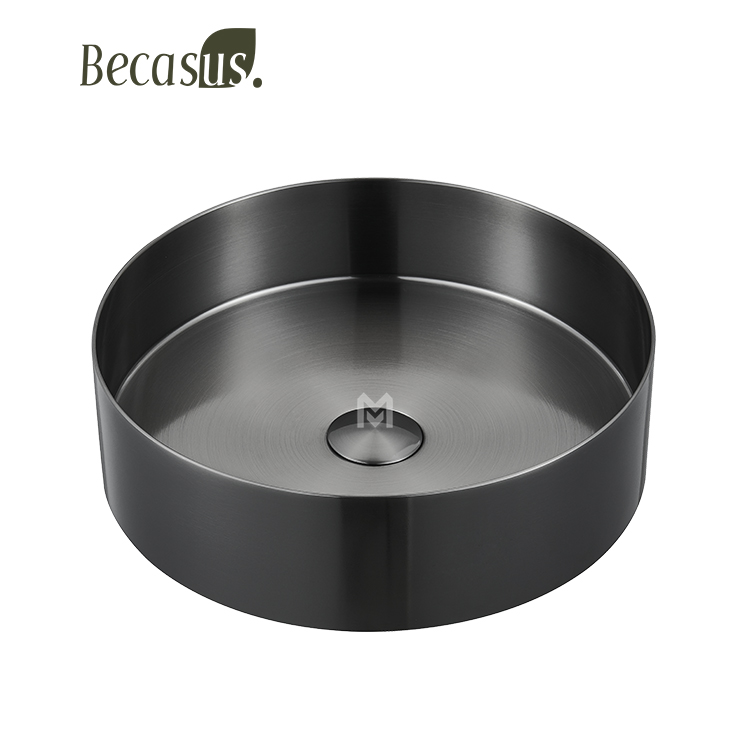
Evaluating Finish Quality: Evaluating PVD Against the Alternatives
Realistic expectations surrounding scratch and abrasion resistance matter greatly. PVD handles daily friction beautifully. Rings, watches, and bracelets frequently hit the basin surface. PVD withstands these standard impacts without showing wear. It resists daily bathroom friction far better than any traditional method. However, no finish is completely indestructible. Intentional abuse with sharp metal objects or diamond jewelry can still cause surface damage. You must set realistic boundaries for users while enjoying its massive upgrade in daily durability.
Tarnish and corrosion immunity represent another major advantage. High humidity environments destroy traditional surfaces quickly. Hard water leaves corrosive calcium deposits. Traditional brass patinas rapidly, turning brown and green. PVD simply refuses to oxidize. It resists patina over time. It remains pristine unless engineers specifically design it as a "living finish". It performs exceptionally well in coastal properties or areas with heavily mineralized water supplies. The finish acts as an impenetrable shield against atmospheric degradation.
Color fastness guarantees long-term visual consistency. Ultraviolet exposure causes severe fading in many paints and standard coatings. Sunlight streaming through a bathroom window will eventually bleach a painted surface. A true PVD vessel basin holds its exact factory hue for decades. Whether you choose brushed gold, matte black, or rose gold, the color remains absolute. The molecular bond prevents UV radiation from breaking down the pigment. They survive decades of bright sunlight exposure without shifting tones.
Finish Technology | Scratch Resistance | Corrosion Immunity | Color Fastness (UV) |
|---|---|---|---|
Physical Vapor Deposition (PVD) | Exceptional | High | High |
Traditional Electroplating | Moderate | Moderate | Low |
Powder Coating | Low | Low | Moderate |
Implementation & Maintenance Realities: Protecting Your PVD Investment
Many professionals falsely assume PVD is entirely maintenance-free. We must transparently dispel this myth. It certainly requires less careful handling than unlacquered brass or polished nickel. However, it still demands standardized care. Neglect will eventually compromise the surface and void the manufacturer warranty. A beautiful fixture deserves a proper maintenance routine. You must educate your cleaning staff or homeowners on the correct protocols.
Establishing Cleaning Standard Operating Procedures (SOPs) prevents accidental damage. You must follow specific guidelines.
Do's for Daily Care:
Use mild, pH-neutral dish soap for all routine cleaning.
Wipe surfaces completely dry using clean microfiber cloths.
Remove water spots promptly after heavy usage to prevent mineral scaling.
Don'ts (Warranty Voiders):
Avoid abrasive sponges, scouring pads, or steel wool entirely.
Never apply bleach, chlorine-based agents, or ammonia.
Keep industrial descalers and acidic cleaners far away from the fixture.
Hard water management requires practical foresight. Mineral buildup happens anywhere water flows. Scale will inevitably sit on top of the PVD finish. Do not panic and reach for aggressive chemicals. Use gentle, non-acidic solutions to lift the scale safely. A simple mixture of mild soap and warm water usually suffices if done regularly. Aggressive industrial chemicals will not necessarily destroy the PVD layer itself. However, they can attack microscopic pinholes, degrade the drain seals, and ruin the surrounding stone countertop. Protect the underlying basin material at all costs through routine, gentle care.
How to Specify the Right PVD Vessel Basin for Your Project
Assessing manufacturer credibility prevents costly mistakes. You must know what to look for in a supplier. Find a manufacturer that owns a verifiable, in-house PVD facility. Outsourced finishing often leads to quality control issues. Demand explicit warranty terms in writing. Ensure they cover actual finish degradation like peeling and severe fading. Coverage for structural leaks alone is insufficient. A reputable supplier stands behind their molecular bonding process.
Ecosystem compatibility determines the success of your design. Bathroom hardware must match perfectly to maintain a luxury feel. PVD colors depend on exact gas mixtures and specific electrical arc times. Two different manufacturers creating "brushed gold" will use completely different chemical recipes. Putting them next to each other on a vanity reveals a glaring clash. You must source everything from one ecosystem. Get your PVD vessel basin, faucet, and drain hardware from the exact same manufacturer. This strict single-source procurement eliminates subtle color clashing and ensures architectural alignment.
Installation considerations are critical. Contractors frequently damage fixtures before handover. They drop heavy wrenches. They use harsh solvents to clean up stray caulk. You must enforce strict handling protocols on the job site.
Inspect the basin immediately upon delivery to verify factory finish integrity.
Keep all protective films intact during the countertop mounting process.
Instruct plumbers to use padded tools specifically around the drain hole.
Clean the final installation using only approved mild solutions, forbidding construction solvents.
Conclusion
Specifying an advanced finish acts as proactive risk mitigation. It protects your original design intent from the harsh realities of daily use. It ensures a flawless, uninterrupted experience for the end user. Traditional coatings simply cannot survive the chemical and physical demands of a modern luxury washroom. By insisting on molecularly bonded surfaces, you safeguard the integrity of the entire vanity space.
Take immediate action on your next specification sheet. Evaluate your current project requirements. Reach out to qualified manufacturers and request physical PVD color samples. Verify the finish integrity firsthand. Test the scratch resistance and observe the color depth under your specific lighting conditions. Solidifying your hardware ecosystem now prevents severe aesthetic failures down the line.
FAQ
Q: Is a PVD vessel basin worth the initial investment?
A: Yes, when evaluated on a five-to-ten-year timeline. The initial outlay is easily offset by the complete elimination of replacement labor and aesthetic degradation. You avoid the massive disruption of swapping out failed vanity components down the line. It ensures the space retains its luxury appeal without requiring constant touch-ups.
Q: Can a PVD finish scratch or chip?
A: It is exceptionally difficult to chip because it bonds directly into the metal rather than sitting as a painted layer. It resists everyday scratches from rings and watches better than any other traditional finish. However, diamonds or deliberate gouging with hardened steel tools will still mark the surface.
Q: Does hard water ruin a PVD finish?
A: Hard water leaves mineral deposits on top of the PVD finish, but it will not corrode the finish itself. Routine cleaning with safe, non-acidic solutions prevents scaling. This simple maintenance maintains the aesthetic brilliance without damaging the basin material or voiding the warranty.


